
Interior Paint Sheen Guide: How to Match the Right Finish to Every Room
July 31, 2026
Quick Answer: Interior paint sheen runs on a scale from flat, which reflects almost no light, to high gloss, which looks nearly mirror-like. The right pick depends on how often a surface gets touched, washed, or exposed to moisture. Flat and matte finishes hide wall flaws and suit ceilings and low-traffic rooms, but they are harder to clean. Eggshell and satin handle busy walls, hallways, kitchens, and bathrooms where you need to wipe fingerprints away. Semi-gloss and gloss belong on trim, doors, molding, and cabinets, where a harder, washable film stands up to hands and humidity. As a rule, higher sheen means more durability and easier cleaning, at the cost of showing more imperfections underneath.
Stand in a Phoenixville living room on a bright winter afternoon and watch how the low sun rakes sideways across a wall. Every roller mark, drywall seam, and old nail-pop suddenly announces itself. Now walk into the hallway, where a flatter finish swallows that same light and the wall reads smooth and calm. That difference is not the color. It is the sheen. Two rooms painted the exact same shade can look, feel, and wear completely differently depending on the finish you chose, and most homeowners never find out until the paint is already dry.
We spend a good part of every interior job talking through sheen before a single drop cloth comes out, because it drives durability, cleanability, and how honest the wall looks about its own flaws. Color gets all the attention, but finish is the decision that quietly determines whether a room still looks good in three years. This guide walks through what sheen means, how each level behaves, and how to match a finish to the way you actually use each room, with the four-season swings and older housing stock of the Philadelphia suburbs factored in.
What Paint Sheen Actually Means
Sheen, sometimes called the finish, is a measure of how much light a dried paint film reflects. A flat finish scatters light in every direction, so the surface looks soft and matte. A glossy finish reflects light in a single direction, which is why it looks shiny and shows highlights. The scale between those two extremes is where nearly every interior decision lives.
That reflectivity is tied to the paint's makeup. Higher-sheen paints carry more binder and resin relative to pigment, which is what creates both the shine and the harder, tighter surface. That tighter surface is easier to scrub and more resistant to moisture and stains. Lower-sheen paints hold more pigment, which gives them richer color depth and a real talent for hiding surface imperfections, but the trade is a more porous film that grabs onto dirt and resists cleaning.
Two practical truths fall out of this. First, the shinier the finish, the tougher and more washable it tends to be. Second, the shinier the finish, the more it magnifies whatever is underneath it, from patched cracks to uneven drywall to a wavy old plaster wall. Every room decision is a balance between those two facts.
The Sheen Scale, From Flat to High Gloss
Manufacturers use slightly different names, but interior finishes generally fall into these bands, listed from least to most reflective.
Flat
Flat reflects essentially no light and offers the best hide of any finish, masking bumps, seams, and repairs better than anything else. That makes it the standard choice for ceilings and low-traffic walls. The catch is cleanability: stains are difficult to remove from a flat surface, and repeated scrubbing can leave a shiny worn spot, called burnishing, right where you rubbed.
Matte
Matte is nearly as shine-free as flat but carries slightly more durability, and modern matte formulas hold up to gentle washing far better than flats of the past. It keeps that rich, low-glare look people love in bedrooms and dining rooms, and some matte lines are built specifically for damp rooms.
Eggshell
Eggshell has a soft, low glow, a small step up from matte, and it is far more durable and easier to clean than the flatter finishes. That combination makes it one of the most popular wall finishes for family rooms, hallways, and other spaces that see daily life without heavy scrubbing.
Satin
Satin carries a noticeable, pearl-like luster and offers better stain resistance and durability than eggshell. It is a common recommendation for rooms exposed to moisture, such as bathrooms and kitchens, and it also looks handsome on trim and doors where you want a little more definition.
Semi-Gloss
Semi-gloss is distinctly shiny, wipes clean easily, and resists moisture and wear, which is why it is a workhorse on trim, doors, cabinets, and wainscoting. Its light-catching quality highlights architectural detail, though it also reveals any bump or brush mark on the surface it covers.
High Gloss
High gloss sits at the top of the scale with a hard, almost mirror-like film. It is extremely durable, stain-resistant, and easy to clean, which suits doors, trim, and standout architectural details. It is also the least forgiving finish there is, so the surface beneath it has to be genuinely smooth before a drop goes on.
Tip: If you are unsure between two neighboring sheens, buy a sample of each, paint a two-foot patch of the actual wall, and look at it in both daytime and lamplight. Sheen reads very differently under a north-facing window than it does under a warm evening bulb, and the wall itself is the only honest test.
Matching Sheen to Each Room
The finish that works beautifully in a guest bedroom can be the wrong call in a mudroom ten feet away. Here is how we usually steer each space.
Living Rooms, Bedrooms, and Dining Rooms
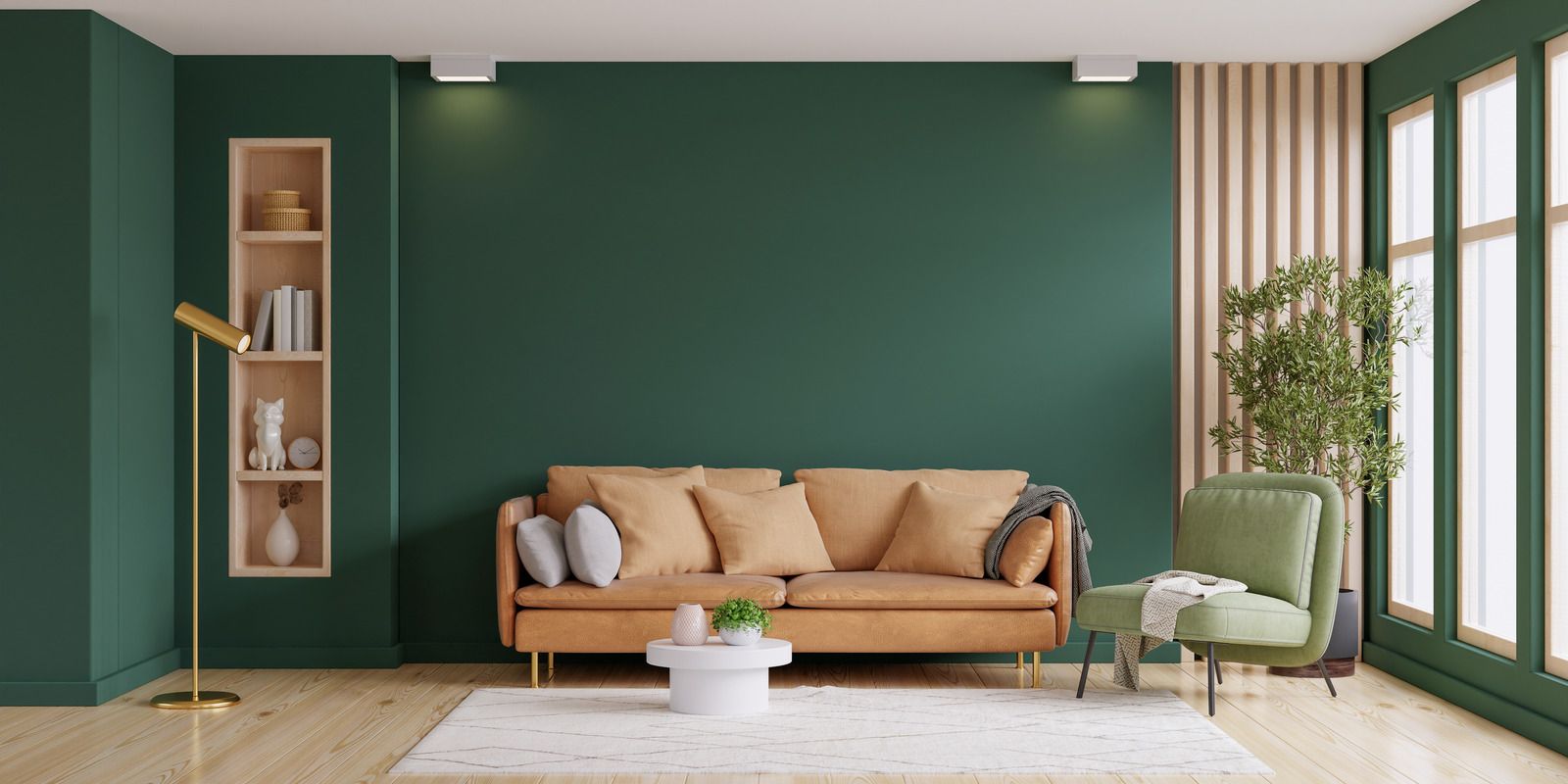
These rooms see people, not abuse. Priority is a soft, even look that flatters color and hides small imperfections. Eggshell adds washability for handprints, while matte delivers deep, velvety color for dining rooms and bedrooms.
Hallways, Stairwells, and Family Rooms
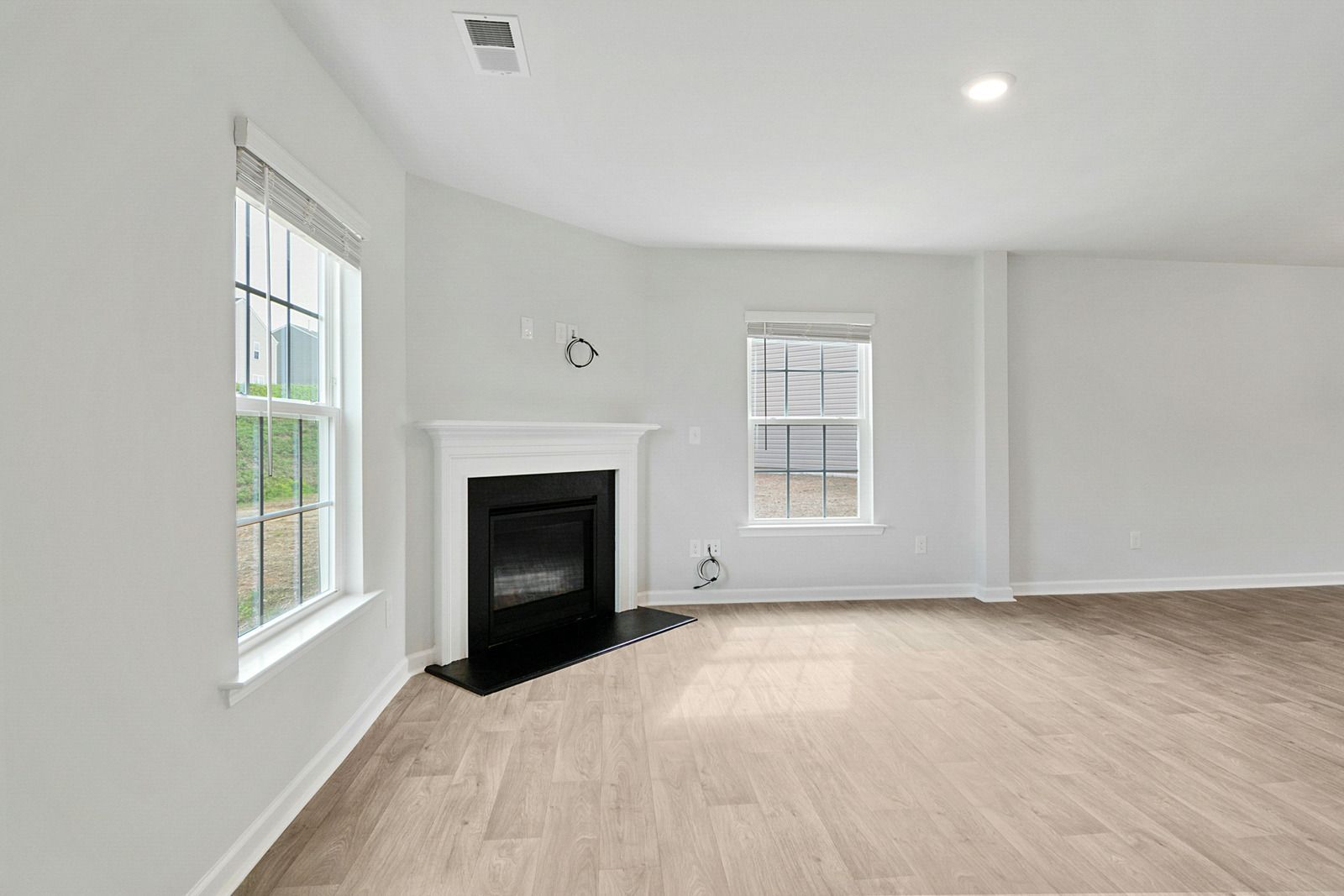
Traffic changes things. Hands brush walls, furniture bumps corners, and surfaces need to survive wipe-downs. Eggshell is the safe baseline, while satin suits busy hallways and stairwells where scuffs are a fact of life.
Kitchens and Bathrooms
Moisture and splatter rule here. Steam, grease, and frequent wiping call for a finish that sheds water easily. Satin resists moisture and stains better than eggshell, while powder rooms and laundry areas benefit from satin or pearl.
Ceilings
Ceilings are the one place everyone agrees: flat. A large, evenly lit plane where any sheen throws glare and exposes seams. Flat keeps it quiet and uniform, and cleanability doesn't matter since nobody scrubs ceilings.
Trim, Doors, and Cabinets
These take the most physical contact in the house and deserve a finish chosen for toughness, not looks alone, which is why they get their own dedicated section below.
Trim, Molding, and Doors Deserve Their Own Finish
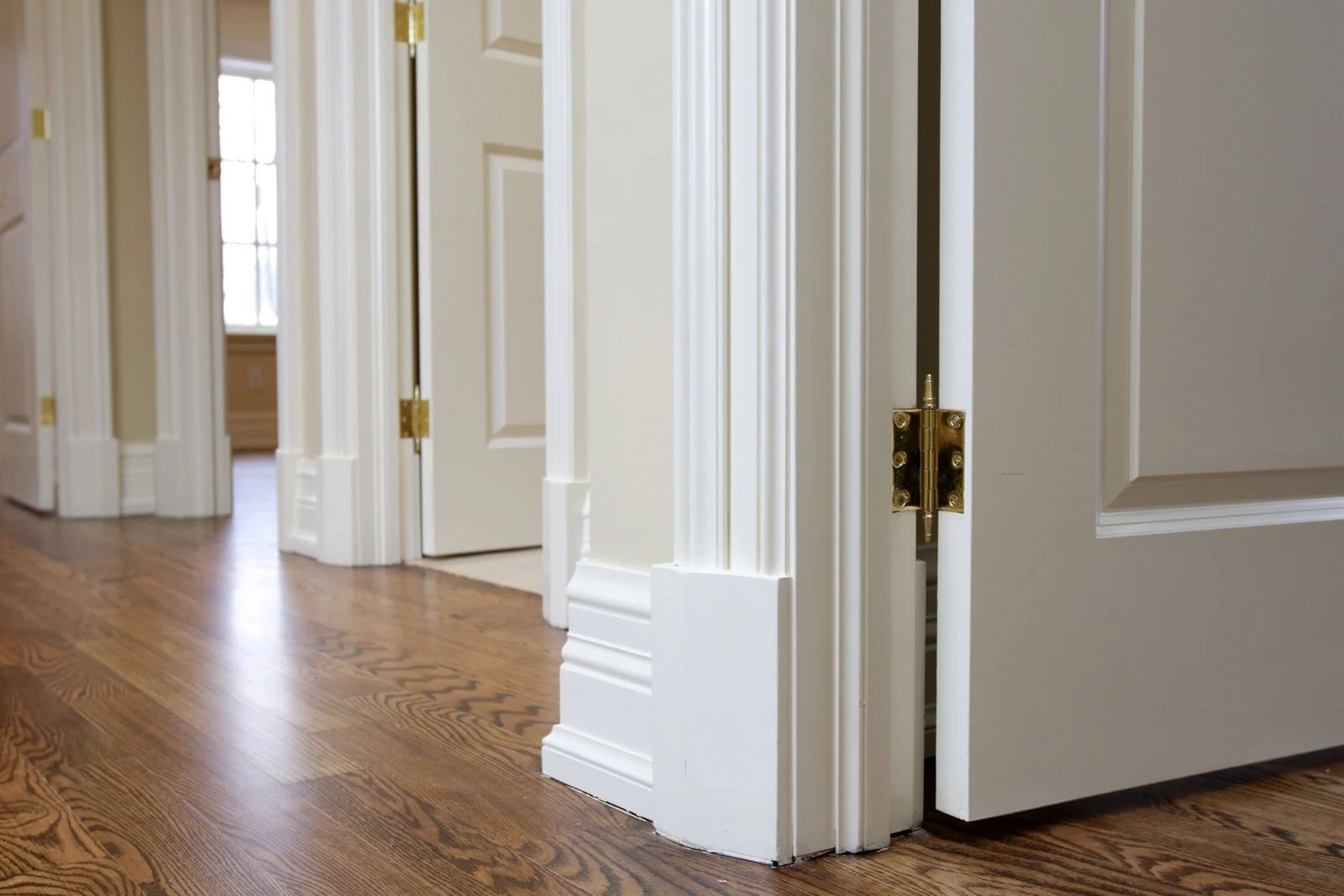
Walls get the square footage, but trim gets the abuse. Baseboards take vacuum bumps and shoe scuffs, door casings get grabbed, window sills collect condensation, and crown molding frames every room at eye level. These surfaces need a finish built to be touched and cleaned, which is why they almost always call for a higher sheen than the walls around them.
Satin, semi-gloss, and high gloss are the trim finishes. Semi-gloss is the most common pick because it wipes clean, resists moisture, and gives molding a crisp, defined edge that separates it cleanly from the wall. Satin is a softer option for homeowners who want the durability without the shine. High gloss delivers a furniture-like, almost lacquered look on doors and standout millwork, but it demands the smoothest possible surface underneath, since gloss hides nothing.
The contrast itself is part of the design. Pairing eggshell or matte walls with semi-gloss trim gives a room dimension, letting the woodwork read as a deliberate frame rather than blending into the field. In homes with detailed crown molding, chair rails, or wainscoting, that step up in sheen is what makes the carpentry look intentional. We spend real time on trim and molding for exactly this reason: the finish only looks sharp if the wood is sound, the joints are tight, and the surface is sanded properly before the first coat.
How Prep Decides Whether a Sheen Looks Right
Here is the part that gets skipped most often. A sheen choice is only as good as the surface under it. The higher you climb the sheen scale, the more the finish depends on prep, because reflected light exaggerates every flaw a flat finish would have hidden.
That means patching cracks and nail pops, sanding old glossy layers so the new coat can grip, sealing joints, and priming repairs so they do not flash through as dull spots. On walls headed for satin or semi-gloss, we sand and smooth far more aggressively than we would for a flat ceiling, because those finishes will report back on any shortcut. Skipping that groundwork is the single most common reason a shiny wall looks patchy or streaky a few weeks after the job.
Prep also protects the finish over time. A clean, sound, primed surface lets the paint bond fully, which is what keeps it from peeling, chalking, or wearing thin in the spots that get touched most. Even the exterior cleaning we do before painting siding, brick, and stucco follows the same logic: strip away the grime and mildew first, and the finish both looks right on day one and lasts the way it should. Indoors or out, the finish is the reward for the preparation, never a substitute for it.
Frequently Asked Questions
What is the most popular paint sheen for interior walls?
Eggshell and satin are the two most common wall finishes today. Eggshell has a soft, low glow that hides minor flaws while staying washable, suiting living rooms and bedrooms. Satin adds durability and moisture resistance for busier, damper spaces.
Can I use the same sheen on walls, trim, and ceilings?
You can, but usually shouldn't. Ceilings look best flat to avoid glare, walls do well in matte or eggshell, and trim benefits from tougher satin or semi-gloss. Different sheens per surface give better durability and a layered, deliberate look.
Which sheen is best for a bathroom or kitchen in a humid climate?
Satin is the go-to for kitchen and bathroom walls, resisting moisture and stains while cleaning easily. In consistently damp rooms, satin or pearl holds up better than eggshell or matte, though some matte paints are now formulated for high-moisture spaces.
Why does my glossy wall show every bump and roller mark?
Because that's exactly what gloss does. Higher-sheen finishes reflect light in one direction, so ridges, seams, and brush marks cast shadows. Flat and matte scatter light and hide flaws. The real fix is thorough prep, not a paint change.
Does higher sheen really last longer?
In surface toughness, yes. Higher-sheen finishes cure into a harder, tighter film resisting scrubbing, moisture, and stains better than flatter finishes, which is why trim favors them. The trade-off is they show imperfections more, so prep has to match.
Choosing With Confidence, Room by Room
Sheen is not a detail to settle at the paint counter in the last five minutes. It is the finish decision that shapes how a room looks in raking light, how it holds up to hands and humidity, and how honest each wall is about its own history. Match flatter finishes to ceilings and calm rooms, step up to eggshell and satin where life happens, and reserve the glossier finishes for the trim and doors built to take a beating.
With 20+ years
painting
homes across Phoenixville, Pennsylvania, Miguel's Painting
has learned that the right sheen always depends on the wall it's going on, not just the room it's in. Older plaster, humid bathrooms, and hardworking trim each ask for their own finish. Get that match right, weigh in the moisture and history every southeastern PA home carries, and the color you fell in love with finally gets to look the way you pictured it.